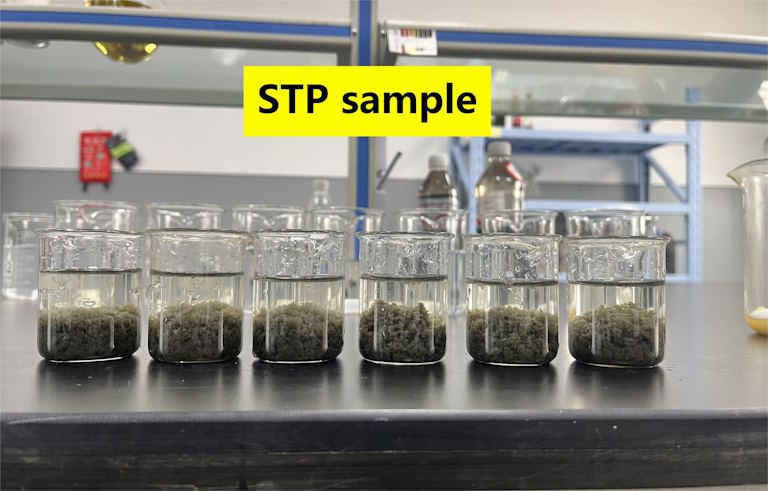
Charge coagulation destabilizes molecules. Coagulants with opposite charges of suspended solids are added to water to neutralize the negative charges of unstable particulate matter such as clays and organic matter.
When the charge is neutralized, small suspended particles may stick together. The slightly larger particles that form as a result of this process are called microflocs, and they are still too small to be seen with the naked eye. To achieve good coagulation and microfloc formation, vigorous and rapid mixing is necessary to properly disperse the coagulant and cause particle collisions. Over-mixing will not affect blood coagulation, but under-mixing will cause this step to be incomplete. A suitable contact time in a rapid mixing chamber is usually 1 to 3 minutes.