Introduction: Why is polyaluminum chloride analysis important?
Polyaluminum chloride (PAC) is one of the most widely used coagulants in numerous industries, including water treatment, industrial wastewater treatment, drinking water treatment, papermaking, textiles, printing and dyeing, mining, metallurgy, and petrochemicals. It significantly improves water quality by breaking down colloidal particles, reducing turbidity, removing dyes, reducing suspended solids, and promoting sedimentation.
However, the use of polyaluminium chloride is not limited to purchasing products labeled “polyaluminium chloride.” The actual quality of this coagulant depends on a number of chemical and physical parameters listed in the technical data sheet or certificate of analysis . Aluminum oxide content, alkalinity, pH value, insoluble components, iron, heavy metals, and density are among the most important parameters that must be checked before use.
The analysis of polyaluminum chloride helps consumers:
- Choose products that are suitable for their intended purpose;
- Prevent contaminants and heavy metals from entering the system;
- Reduction of chemical consumption and operating costs;
- Improvement of wastewater quality;
- To avoid damage to reverse osmosis membranes, resins, filters and downstream equipment;
- For more precise determination of the dosage of PAC injections.
This article covers the main criteria for PAC analysis, methods for interpreting performance characteristics, the differences between PACs used in water and wastewater treatment, the importance of plate tests, and important aspects to consider when purchasing this material.
What is polyaluminum chloride?
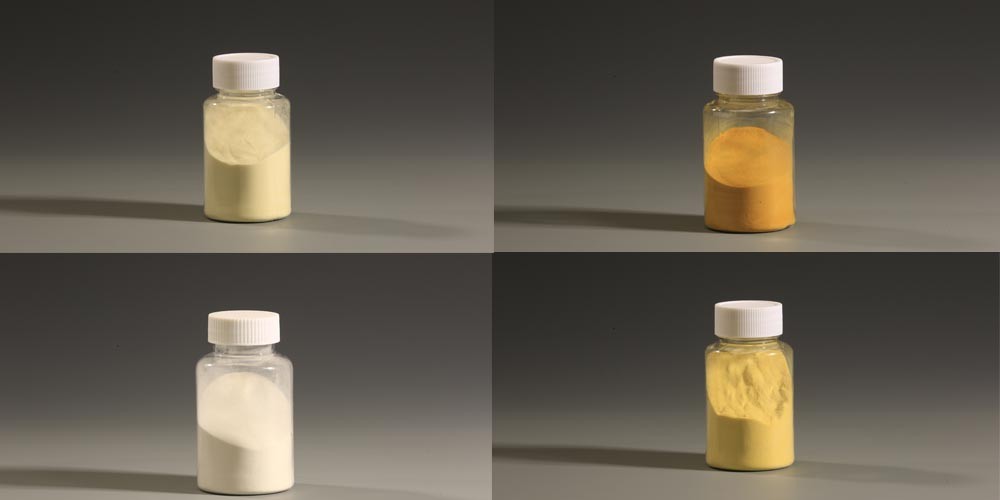
Polyaluminium chloride (PAC) is an inorganic, aluminum-based coagulant, typically a pale yellow or amber liquid or a yellow or milky-white powder. It belongs to the group of polyaluminium salts and exhibits superior coagulating properties compared to aluminum sulfate or alum, and has a wide range of applications.
The general formula for PAC can be expressed as follows:
(3n-m) \mathrm{Al_n(
In this structure, the ratio of hydroxide and chloride ions determines the degree of hydrolysis and the alkalinity of the products. The better the polyacrylic acid (PAA) coating protects the aluminum polymer particles, the greater its ability to neutralize the charge of the colloidal particles.
When activated carbon powder comes into contact with water, it reacts with suspended solids, colloids, pigments, organic substances, and certain impurities. This causes the particles to lose their stability and form flocs. These flocs are then separated from the water flow in settling tanks, filter basins, inclined plate tanks, flotation tanks, or sand filters.
What is a polyaluminium chloride analysis?
The analysis of polyaluminum chloride (PAC) comprises a series of chemical and physical tests to determine the quality, purity, flocculation capacity, and impurity content of a product. The manufacturer or supplier typically provides these results in their certificate of analysis.
However, analytical reports alone are not sufficient to guarantee the actual effectiveness of a product. Many industrial water treatment projects therefore require, in addition to the evaluation of analytical reports, the investigation of powdered activated carbon (PAC) samples under real or simulated raw water conditions using plate tests.
A comprehensive analysis conducted by a Political Action Committee (PAC) typically includes the following:
- The ratio of aluminum oxide or aluminum oxide ) (
- necessary
- pH value of the solution
- Density or specific gravity
- Insoluble substances
- Iron content (Fe) (Fe)
- Chloride content Cl^-)
- Heavy metals such as lead, chromium, cadmium, mercury and arsenic.
- Appearance, color and transparency of the product
- Blood clotting strength under real-world conditions.
The most important criterion in the analysis of the PAC
aluminum Al2O3
The active aluminum oxide content is the most important indicator in the analysis table of polyaluminium chloride . This indicator is usually given as a weight percent and indicates the amount of active precipitant in the product.
generally:
- Liquid activated carbon in powder form can contain approximately 8 to 18% aluminum oxide.
- PAC powder typically contains about 28 to 31% aluminum oxide .
- High-quality aluminum powder for sensitive applications typically contains a higher proportion of aluminum oxide and a lower proportion of impurities.
A high aluminum oxide content generally indicates a higher concentration of active ingredients, but this alone says nothing about the product quality. Products with a high aluminum oxide content may contain high concentrations of insoluble substances, iron, or heavy metals and may therefore not be suitable for drinking water treatment or pretreatment in reverse osmosis systems.
Why is the percentage of aluminum oxide important?
If Al₂O₃ the target value, more activated carbon (AC) is required to achieve the desired effect. This leads to increased chemical consumption, larger sludge volumes, higher transportation costs, and more
For example, if two types of liquid proanthocyanidins (PACs) contain 10% and 17% aluminum oxide, respectively, it is not appropriate to compare their prices solely based on the price per kilogram. The active ingredient content, the actual dosage, and the results of laboratory tests must also be taken into account.
2. What are the main characteristics of PAHs?
Basicity is one of the most important parameters in the analysis of aluminum chloride. It is expressed as the ratio of the number of hydroxyl groups (OH) to the
In short, alkalinity refers to the degree of pre-hydrolysis of activated carbon. Activated carbon with the appropriate alkalinity can be used in a wider pH range and causes a smaller pH drop than some conventional coagulants.
The most important conceptual relationships can be expressed as follows:
Al³⁺] × 100
The alkalinity of polyaluminum chloride (PAC) ranges from approximately 40% to 90%, depending on the type and application . Industrial grades typically exhibit an alkalinity of 60% to 85%.
The influence of alkalinity on the properties of activated carbon.
A good foundation can offer the following advantages:
- Reduce the use of pH regulators such as lime or sodium bicarbonate;
- Works best in cold water;
- The pace of agglomeration is accelerating;
- Mitigation of the effects of water acidification;
- This helps to reduce turbidity and discoloration in some water sources;
- Compared to other coagulants, the amount of sediment is reduced.
High alkalinity does not necessarily mean better water quality. The choice of alkalinity level should be based on factors such as the quality of the raw water, the initial pH value, the type of contaminants, and the design of the treatment plant.
3. pH value of polyaluminum chloride
Liquid proanthocyanidin preparations are generally acidic, although the pH can vary depending on the composition, concentration, and alkalinity. The pH of many liquid proanthocyanidin preparations ranges between 2.5 and 5 .
The pH value of the product should not be confused with the optimal pH value for the coagulation of raw water. Although PAC is an acidic liquid, its optimal effectiveness is achieved after addition to raw water within the appropriate pH range.
pH control is crucial in the coagulation process, as the efficiency of this process is influenced by the following factors:
- Type and quantity of colloidal particles;
- Water alkalinity;
- Water temperature;
- Natural organic materials;
- Color and cloudiness;
- Type of coagulation material or electrolytic polymer;
- PAH dose.
In industrial water treatment plants, extremely low pH values can lead to corrosion of the equipment, failure of biological treatment stages, or the need for alkali addition. Therefore, in addition to analyzing powdered activated carbon, it is essential to measure the pH and alkalinity of the raw water.
4. Substances that are insoluble in water.
The presence of insoluble substances is a very important criterion, especially in sensitive applications such as drinking water, food, pharmaceuticals, electronics and pretreatment in reverse osmosis systems.
Insoluble substances can include, among other things, the following:
- Metallic particles and the products formed during their deposition;
- Impurities in raw materials;
- Iron oxide particles;
- Carbon or organic materials;
- Particles resulting from improper storage;
- Precipitation occurs due to falling temperatures or over time.
High concentrations of insoluble substances can cause the following problems:
- Pipes, valves and nozzles are clogged;
- Sediments in the PAH storage tank;
- Constant clogging of the mixer;
- Increased load on sand or cartridge filters;
- Increase the sludge density index (SDI) of the incoming reverse osmosis treated water;
- Blockage and deposit formation on reverse osmosis membranes;
- The water quality deteriorated after treatment.
For sensitive applications, the PAC solution should be clear, homogeneous, and free of visible particles, containing a low proportion of insoluble substances. Deposits at the bottom of the container, unusual cloudiness, or significant color changes may indicate poor product quality or improper storage.
5. Analysis of iron content in PAHs
Iron is one of the main impurities in polyaluminium chloride (PAC). Its content varies depending on the raw material and production process. A certain iron content is considered acceptable for some industrial grades; however, for drinking water, industries with high iron demands, and reverse osmosis pretreatment, the iron content should be minimized.
The high-speed rail network can include the following modes of transport:
- This causes the water to turn yellow, brown, or red;
- This increases the risk of sediment deposits and blockages in the systems;
- The clogging of the reverse osmosis membranes is worsening;
- Problems with dyeing in the textile and paper industries;
- Product quality has declined in the food industry and in the production of dietary supplements;
- The water transparency has decreased.
White or light-colored aluminum powders typically contain more iron than dark yellow or brown ones; however, color alone is not sufficient for an accurate assessment of quality. The iron content should be verified against the certificate of analysis, and an independent analysis should be carried out if necessary.
6. Chlorides in polyaluminum chloride
Since activated carbon is made from aluminum chloride, it naturally contains chloride ions. However, it is crucial to monitor the level of free chloride ions in the product, as excess chloride ions can cause problems in some systems.
High chloride levels can increase the following risks:
- The electrical conductivity of the water increases;
- The corrosion of metal equipment increases;
- The impact of the industrial cycle on water quality;
- This makes this product unsuitable for processes where chloride restrictions apply.
For reverse osmosis systems, especially those with high levels of total dissolved solids (TDS) and chloride in the feed water, the selection of the appropriate polychlorinated chloride (PCL) is crucial. While PCL itself is not the primary cause of elevated TDS levels, overdosing or selecting the wrong type can disrupt the system’s ionic balance.
7. Heavy metals in the Common Agricultural Policy
When analyzing polyaluminium chloride used in drinking water, heavy metals are among the most important safety indicators. These metals can originate from raw materials, production facilities, mineral sources, or industrial contamination.
Important heavy metals that should be analyzed include:
- Lead (Pb)(Pb
- Arsenic As) (As)
- Chromium (Cr)(Cr
- Cadmium Cd)(Cd)
- Mercury Hg) (Hg)
- Nickel Ni)(Ni)
- Copper Cu) (Cu)
For companies that manufacture drinking water, food, pharmaceuticals, and medical products, excessive concentrations of these elements are unacceptable. When purchasing volatile organic compounds (VOCs) for these purposes, in addition to quality control documentation, a certificate of analysis, instructions for use, and the results of all required certified laboratory tests should be requested.
It is important to note that industrially used polyaluminum chloride (PAC) may not be suitable for drinking water treatment. While it may meet the requirements for aluminum oxide content, it may not meet the strict limits for heavy metals, iron, or other contaminants.
Widely used specifications for polyaluminum chloride analysis
| reach | Synthetic fluid of type PAC | PAC is a high-quality liquid water cleaning agent. | PAH powder |
|---|---|---|---|
| Look | From pale yellow to amber | Light yellow or rather transparent | Yellow, milky white or white |
| Aluminum oxide ) ( | 8% to about 12% | From 10% to about 18% | From 28% to approximately 31% |
| necessary | From 40% to about 70% | From 60% to about 85% | From 70% to about 90% |
| pH | Approximately 2.5 to 5 | Approximately 3 to 5 | The relevant decision |
| Insoluble substances | variable | fewer | Low to medium |
| iron | variable | fewer | Depending on the degree |
| Heavy metals | network | This needs to be checked. | This needs to be checked. |
| Main applications | Industrial wastewater, sewage system | Drinking water, industrial water treatment, reverse osmosis | They are easy to transport and solutions can be prepared on site. |
The values given in the table are approximate; actual performance should be determined by analyzing the manufacturer, the brand type, and through actual testing.
Differences between the analysis of liquid and powdered PACs.
Polyaluminum chloride (PAC) is available in two main forms: liquid and powder. Both forms are suitable for coagulation and sintering, but differ in their analysis, transport, storage, and handling.
PAC liquid
Liquid lead powder can generally be used directly or diluted in small quantities at the injection site. Its main advantage is that it eliminates the need to dissolve the powder and reduces dust formation. However, water is required for transport, which increases logistics costs.
When analyzing liquid activated carbon powder, the density and aluminum oxide content are crucial. If the density or aluminum oxide content is below the target value, the product may have been diluted too much.
PAH powder
Polybase aluminum chloride powder typically contains a higher proportion of aluminum oxide, making transport more economical in terms of the active ingredients. However, it must be dissolved in a suitable solution container before use. Insufficient mixing, the use of poor-quality water, or an excessively high solution concentration can lead to lumping and deposits.
For systems using powdered activated carbon, it is important to have equipment such as polyethylene or fiberglass containers, motors, metering pumps, suitable suction lines and, in some projects, solution filters.
Correct sampling method for the analysis of volatile organic compounds
Correct sampling is crucial for reliable analytical results. Liquid polyvalent aluminum chloride powder can settle or deform irregularly due to prolonged storage or unsuitable temperature conditions. Therefore, sampling only from the surface of the container can lead to inaccurate results.
PAC liquid sampling methods
- Before taking samples, it must be ensured that the environment in the container or barrel is as homogeneous as possible.
- Samples should be taken from the middle part of the sampling valve or from the collection container.
- Use clean, dry containers that are resistant to chemical corrosion.
- The sample package must include the product name, date, batch number, sampling location and supplier name.
- The samples should not be exposed to direct sunlight or high temperatures.
- In order to compare samples from different suppliers, it is necessary to carry out the analysis under the same conditions.
PAC powder sampling methods
- Samples should be taken from several locations within the bag or the larger bag.
- The collected samples are mixed to create a composite sample.
- Prevent dust from coming into contact with moisture.
- The packaging must be undamaged and show no signs of moisture.
- The appearance of large lumps may indicate improper storage or low product quality.
The role of the cup test in assessing the quality of polyaluminum chloride
While chemical analysis results are important, they are not sufficient on their own to select the appropriate polyaluminum chloride (PAC). Two products with similar aluminum oxide content can exhibit completely different properties in raw water. This is due to factors such as the type of aluminum polymer compound, alkalinity, impurities, water quality, and operating conditions.
Therefore, testing injection cartridges is considered the best practical method to compare different types of injection cartridges and to determine the injection dosage.
General procedures for conducting preservation tests
- Take representative samples of raw water or wastewater;
- Pour equal amounts of water into several glasses;
- Each person was given different doses of PAC;
- Stir quickly to ensure even distribution of the coagulant;
- Stir gently until a lump forms;
- Let it rest;
- If necessary, measure turbidity, color, pH value, total suspended solids (TSS), chemical oxygen demand (COD) or other parameters.
What can the JAR test be compared to?
- Flocculation rate;
- Cluster size and strength;
- Filtered water is clear;
- Reduced turbidity;
- Speed of color change;
- Reduction of suspended solids;
- Reduction of chemical oxygen demand (COD) in wastewater containing organic pollutants;
- Final pH value of the water;
- Formation of sewage sludge;
- Economic PAH dose;
- Is the use of a copolymer necessary?
The best activated carbon is not necessarily the one that causes the least flocculation. Rather, the right activated carbon should ensure the best overall quality of the purified water, minimize operating costs, reduce sediment buildup, and be compatible with downstream equipment.
Analysis of PAC pretreatment using reverse osmosis
In industrial reverse osmosis systems, activated carbon is typically used in the pretreatment stage to reduce turbidity, remove colloids , and improve the efficiency of sand filters, ultrafiltration systems, or filter cartridges. Incorrect selection of activated carbon can lead to serious problems with the reverse osmosis membrane.
The PAC unit has properties that make it suitable for reverse osmosis systems.
- Low proportion of insoluble components;
- Low iron levels;
- Controlled heavy metals;
- It does not form fine sediment and passes through the filter;
- This reduces turbidity well;
- It is compatible with the pH value and alkalinity level of the spring water;
- The ion charge of the water has not increased excessively;
- The quality remains consistent across all production batches.
If the PAC is not selected or implemented correctly, the following problems may occur:
- Increase the sludge density index (SDI) of the incoming reverse osmosis treated water;
- The filter cartridge clogs up quickly;
- Increased pressure loss in sand filters or ultrafilters;
- Contamination of membranes with colloids;
- increase the frequency of chemical cleaning of the membranes;
- Reduction in the number of licenses issued;
- Increase the pressure difference across the membrane.
To avoid these problems, it is crucial to correctly select the mixing time, residence time, polymer type, settling conditions, and filtration conditions after adding powdered activated carbon. Too high a dosage is just as problematic as too low, as residual aluminum or fine flocculants can enter subsequent processes.
How do you interpret the PAC analysis diagram?
When obtaining a certificate of analysis, you should not focus solely on the numbers or criteria. The analysis table should be considered as a data set.
Checklist for evaluating polyaluminum chloride analysis tables
- Are the manufacturer’s name and batch number clearly indicated ?
- Are the production date and expiration date specified?
- Is the aluminum oxide content accurate and reliable?
- Does this basic function meet the specified requirements of the app?
- Is the pH value within the acceptable range for this product ?
- Was the content of insoluble components clearly defined?
- Was there any information on the iron content?
- Should heavy metal concentrations, especially those in drinking water, be monitored?
- Does the density of the liquid polyacrylamide material correspond to the aluminum oxide content?
- Do the test results of each batch of goods match the test results of the previous batch?
- Did the sample achieve the expected results in the preservation test?
If a supplier only specifies the percentage of aluminum oxide without providing clear information on the iron, insoluble or alkaline content, as well as the heavy metal content, extreme caution is advised when purchasing from this supplier.
Factors influencing the consumption of activated carbon in water and wastewater treatment plants.
The dosage of polyaluminum chloride is not fixed and should not be determined solely based on experience from other projects. The appropriate dosage depends on several factors:
- Turbidity of untreated water;
- Type and concentration of suspended particles;
- A watercolor painting;
- Organic matter content;
- Chemical oxygen demand (COD) and biological oxygen demand (BOD) of wastewater;
- Initial pH value;
- Water alkalinity;
- Water temperature;
- It contains oil, fats and emulsifiers;
- Types of copolymers;
- Sedimentation block type or DAF;
- The quality of PAC is genuine.
Surface waters with high turbidity may require significantly higher doses of activated carbon. For industrial wastewater, the type of pollutants is also a crucial factor. For example, wastewater from dye works and printing plants, car washes, slaughterhouses, food processing plants, as well as mines and steelworks exhibit different properties during coagulation.
Storage conditions for polyaluminum chloride
The quality of the polyacrylamide material is important not only during production but also under storage conditions.
Storage of liquid polyacrylic compounds
- Storage tanks are made from polyethylene, fiberglass, or corrosion-resistant materials.
- Avoid contact with carbon steel and unsuitable metals;
- Avoid high temperatures and direct sunlight;
- The storage room must be equipped with a suitable ventilation system;
- Sedimentation control and homogenization should be carried out if necessary;
- Use a dosing pump that is chemical-resistant;
- Check valves, connections and fuel lines regularly.
PAC powder storage
- Store in a cool, dry place;
- Avoid contact with moisture;
- Place the bag on the tray;
- Make sure that the packages do not come into direct contact with the warehouse floor;
- Use them in the order in which the goods arrive at the warehouse;
- The packaging bag must not be opened.
Aluminium chloride polyphosphate (APP) powder must not be mixed with incompatible substances, strong alkalis, or other chemical compounds without prior technical analysis. When preparing APP powder solutions, it should also be stirred slowly into water and not poured directly into larger quantities.
Advantages of using photoanalytical instruments (PACs) in supervised analytics.
Choosing high-quality polyaluminum chloride that has undergone rigorous testing offers many advantages:
- In many cases, the amount of clotting factors used should be reduced;
- Improving the transparency of wastewater;
- Reduction of system performance fluctuations;
- This leads to the formation of larger blocks that settle more easily;
- Reduce the use of pH regulators in certain applications;
- Reduction of the load on filters and membranes;
- Reduction of the risk of heavy metal exposure;
- Reduction of sludge volume or improvement of the drying process;
- The reliability of the treatment device has been increased;
- It may be possible to better control operating costs.
In conclusion
The analysis of polyaluminium chloride (PAC) is a crucial step in selecting suitable coagulants for drinking water and wastewater treatment. Aluminum oxide content, alkalinity, pH value, insoluble solids, iron, chlorides, and heavy metals all affect coagulation efficiency, the quality of the treated water, the condition of the equipment, and ultimately, operating costs.
When selecting the right activated carbon, it is not enough to rely solely on the price per kilogram or the aluminum oxide content. Seemingly inexpensive products can actually increase processing costs due to low concentration, high impurity levels, high dosage, or significant sediment formation.
The best method for selecting polyaluminum chloride (PAC) is a combination of different procedures, including the evaluation of reliable analytical reports, visual quality control , laboratory analysis of samples, and test tube experiments with water or wastewater from industrial plants. Accurate analysis of heavy metals, iron, and insoluble components is essential in critical projects such as drinking water treatment, the food and pharmaceutical industries, and pretreatment in reverse osmosis.
By selecting a standard powdered activated carbon (PAC) filter suitable for the raw water conditions, you can improve the efficiency of filtration equipment, sand filters, DAF systems, ultrafiltration and reverse osmosis membranes, and reduce costs associated with pollution, chemical treatment and water quality deterioration.