Under the condition of correct use and treatment, polyaluminum chloride can improve water quality and sewage treatment effect, and reduce environmental pollution. However, if it is used improperly or disposed of improperly, it may have certain negative impact on the environment. Therefore, the use of polyaluminum chloride and waste disposal should be strictly controlled in accordance with relevant laws and regulations.
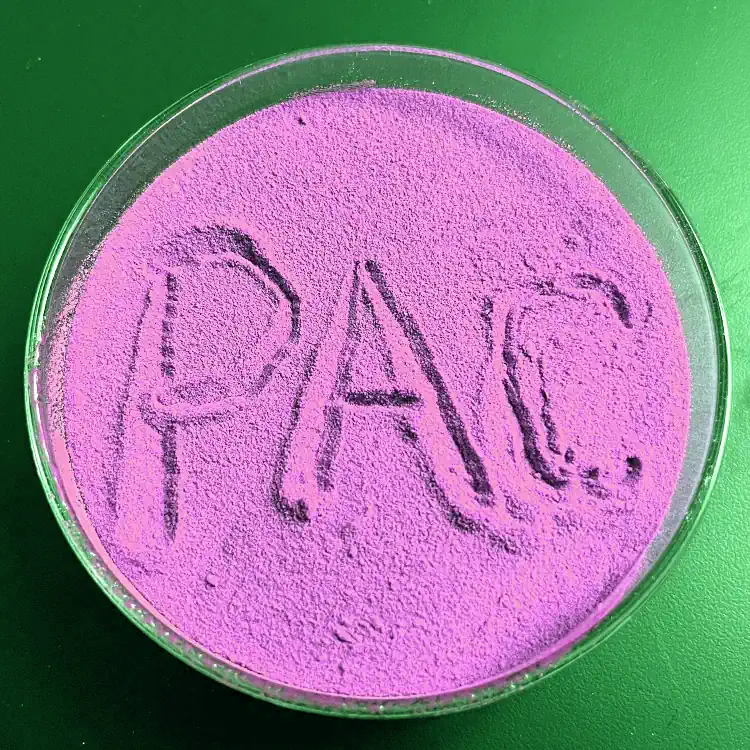
Polyaluminum chloride (PAC) is a chemical used in various industries, including water treatment, wastewater treatment, and paper production. Due to its specific characteristics, this material has different environmental impacts, which are mentioned here.
Environmental impacts of PAC
1. Corrosion resistance
PAC has high corrosion resistance due to its chemical properties. This feature contributes to its longer lifespan and is used in water and wastewater treatment processes.
2. Wastewater treatment
The use of PAC in wastewater treatment can help reduce water pollution and improve the quality of treated water. It reacts with heavy metals and various contaminants, causing them to precipitate as solid sediments.
3. Drinking water purification
PAC has been successfully applied in drinking water purification. It is a suitable choice for these applications due to its high efficiency and lower environmental impact than other purification materials.
4. Paper production
The use of PAC in the papermaking process has been around since the 1970s. Due to its unique properties, this material is a suitable alternative to aluminum sulfate in the papermaking process.
5. Environmental friendliness
PAC is a low-risk substance and has fewer harmful effects on the environment. However, the dosage and method of use of this substance must be carefully considered to reduce its side effects.
Important points when using PAC
1. Choosing the right dose
The dosage of PAC should be adjusted based on the type and degree of water contamination, water pH, and temperature. Proper dosage can help improve treatment efficiency and reduce side effects.
2. Mixing time
The time required for floc formation depends on the PAC dosage and the type of agitator used. This must be taken into account to achieve the best filtration results.
3. Regular maintenance and repairs
Regular maintenance and repairs of pumps and filtration systems using PAC can help extend their useful life and reduce maintenance costs.
Conclusion
Polyaluminum chloride (PAC) is a suitable option for use in water and wastewater treatment processes and paper production due to its special properties. By choosing the right dosage, regular maintenance and repairs, and correct pressure adjustment, the side effects of this material can be reduced and help improve environmental quality.